
Glass Oil Designs: A Timeless Expression of Art
Glass oil designs is a captivating art form that transforms ordinary glass surfaces into vibrant, expressive pieces.
Whether used for home décor, religious art, or contemporary design, glass painting combines color, light,
and texture in a way few other mediums can achieve. This art style has evolved across cultures and continues
to inspire both traditional and modern artists.
What Is Glass Oil?
Glass oil designs involves applying colors, patterns, or images onto a glass surface. Unlike canvas or paper,
glass provides a smooth and reflective base, which enhances the brilliance and depth of colors.
The translucency of glass allows artists to play with light, creating a luminous effect that changes
depending on the surroundings.
Artists generally paint on one side of the glass while the artwork is viewed from the other side,
a method known as reverse glass painting. This requires careful planning,
as details must be painted in reverse order.
Types of Glass Oil Designs
1. Traditional Glass Designs
Traditional glass oil designs often draw inspiration from cultural, spiritual, and historical themes. These include:
- Religious motifs: Depictions of deities, saints, or sacred symbols
- Folk art patterns: Bright colors and bold outlines reflecting local traditions
- Floral and nature themes: Intricate flowers, vines, and landscapes
These designs are commonly used in temples, heritage homes, and cultural displays.
2. Contemporary Glass Oil Designs
Modern glass painting embraces minimalism and abstract expression. These designs focus on:
- Geometric patterns
- Abstract color blending
- Simple or limited color palettes
Contemporary styles are popular in modern interiors, offices, and homes due to their sleek and elegant appearance.
3. Decorative and Functional Glass Oil Designs
Glass oil designs is not limited to framed artwork. It is widely used on everyday objects, including:
- Windows and doors
- Glass bottles and jars
- Tabletops and mirrors
- Lampshades and panels
These designs combine functionality with artistic appeal, making ordinary objects visually striking.
Techniques Used in Glass Painting
Reverse Glass Painting
This is the most common technique, where the artist paints on the back side of the glass.
The final image is viewed from the front, giving it a smooth, polished look. It requires precision
because mistakes are difficult to correct.
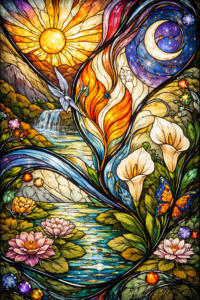
Stained Glass Effect
This technique mimics traditional stained glass windows. Artists use outliners to create boundaries
and fill them with transparent or semi-transparent colors, resulting in a vibrant, mosaic-like design.
Frosted Glass Painting
Frosted designs create a soft, translucent effect. This technique is often used for privacy glass,
such as bathroom windows or office partitions.
Etching and Textured Painting
Some designs involve etching the glass surface or adding texture with special paints.
This creates a layered effect, adding depth to the artwork.
Materials Needed
- Glass sheets or objects
- Glass paints (transparent or opaque)
- Outliners for defining shapes
- Brushes or applicators
- Cleaning materials to prepare the surface
High-quality materials ensure durability and enhance the overall appearance of the artwork.
Design Ideas for Beginners
If you’re new to glass painting, start with simple designs such as:
- Simple floral patterns
- Mandala designs
- Basic geometric shapes
- Silhouette art
Using stencils or tracing designs can make the process easier while learning the basics.
Tips for Creating Effective Glass Paintings
- Plan your design: Sketch your idea before starting
- Clean the glass thoroughly to remove dust and oil
- Work in layers and allow each layer to dry
- Use proper lighting for better precision
- Be patient and work carefully
Applications in Interior Design
Glass painting designs are widely used in interior decoration. They can enhance spaces by:
- Adding color to plain windows
- Creating artistic room partitions
- Decorating home décor items
- Enhancing lighting effects through painted lamps
These designs can transform a space without requiring major renovations.
Artistic and Cultural Significance
Glass painting has a rich history in various cultures. It has been used in religious storytelling,
architectural decoration, and fine art. Each region has developed its own style influenced by
local traditions and materials.
Today, this art form continues to evolve, blending traditional techniques with modern creativity.
Conclusion
Glass oil designs offer a unique way to combine art with functionality. From traditional motifs
to modern abstractions, this versatile medium allows endless creative possibilities.
Whether you’re an artist, a beginner, or someone looking to enhance your living space,
glass painting provides a rewarding and visually stunning experience.